

The 9 People You’ll Meet in Your Closet
The psychology behind why you don’t look like yourself

Your wardrobe is a modern-day psychological thriller. Each morning you wake up to solve the same mystery: Why don’t I look like myself?
Millions of us wake up and battle an endless feed of beige basics and the never-ending ‘it-girl’ rebrands. From watching my friends go from shopping in-store, to online, to accumulating more screenshots than tax returns, social media, aka The Algo, is where 90% of their style inspiration is sourced. And after being exposed to the same Pantone Color of the Year for the thousandth time, the thumbs who searched for miles finally exhausted themselves, and laid down their weary willpower on the same checkout button tapped by friends, peers and complete strangers. The oversaturation of sameness, the longing to belong, all accumulates to one final sigh: I dont know who I am, but I am sure of what everyone else is wearing.
Finding your style can feel impossible when you didn’t realize you’ve been trained to preform it. The person in the mirror isnt your ally , she’s a meaner Edna Mode constantly giving you a critique you didnt ask for. If you’ve ever felt like you’re method acting your way through your own life, congratulations! This is the first of a very painful exercise we in the business call: Becoming Self-Aware™.
Inside your closet, there is a whole cast of characters who you have to speak to, reckon with, confess to, before you can solve this mystery, why you can own everything in the world and still look nothing like yourself. I know you don’t want to, I certainly didn’t want to meet them either, but it is my job to ensure you don’t end up looking like the Stepford Husbands and Wives of the Infinite Feed, so I’m going to give you a litttttlee push…….
there you go. See? Not so bad. You can even hold my hand, if you like.
Without further adieu…
The 9 People You’ll Meet in Your Closet
1. The Repeat Offender
They’re instantly recognizable: they have the same sweater in triplicate (”it’s a totally different color!”) five pairs of the same jeans, and a near-religious devotion to “quiet luxury.” Their closet looks less like self-expression and more like a storage facility for Repressed Dressers Anonymous; they know every flattering angle of their favorite black blazer because it’s been auditioning for “main character” since 2019.
In psychology, this is called pattern reinforcement: a feeling of safety and comfort achieved through sameness. Their guilty pleasures are small acts of rebellion, an impulsively ordered latte that isn’t the usual, an unexpected silver ring that looks risqué next to their french manicure.
Repetition trains the brain to equate predictability with identity. And when that happens, the body stops anticipating novelty; it settles into maintenance mode. The Repeat Offender swears they’ve “found their uniform,” but what they’ve actually found is a way to make every day look like yesterday.
2. The Eternal Editor
The Eternal Editor lives inside a perpetual soft launch. They’ll spend 20 minutes adjusting a cuff only to decide the entire outfit just isn’t quite right. Their wardrobe is Martha Stewart-level immaculate, organized by sleeve-length, color-coded, and haunted by tags from clothes they’ve been “meaning to wear once I figure out how to style it.”
Psychologically, this is the illusion of control: editing as self-soothing. Chasing the moving target of perfectionism makes them feel like they’re making progress, and they’re quite terrified of wearing anything that hasn’t been pre-vetted by their own research (which means searching Instagram, Pinterest, Tiktok and Google, in that order. Unless you have a different order that works better that they don’t know about, in which case a new spiral will begin). They can tell you what looks right, but ask them what made them feel most alive, and you’ll be met with a wide-eyed, deer-in-the-headlights stare.
The tragedy of the Eternal Editor is that they confuse rehearsal for readiness. By the time they finally feel certain, the moment has already passed, and they’re editing it in hindsight. In the end, their style isn’t a record of taste; it’s a museum of drafts.
3. The Someday Stylist
They’re always almost ready. The Someday Stylist owns the wardrobe of a fascinating, well-traveled person who has rarely, if ever, actually left the house. Their closet is full of brand-new pieces, statement shoes that have come close to the pavement, and a perfume “too special” for weekdays. Their shopping habits read like a fortune cookie: When I’m more confident, When I go to Italy, When I finally lose ten pounds. You’ll hear them say things like, “I just need the right occasion,” as if the occasion were a deity that must be summoned. Every purchase is a premonition of the person they’re dreaming of becoming, every hanger is holding its breath, hoping today will be the day.
In psychology, this is known as deferred self-acceptance: identity on layaway. The Someday Stylist believes transformation must be preceded by proof, that they must first become deserving of beauty before they can inhabit it. But becoming isn’t something you prepare for; it’s something you perform.
Their tragedy is that they’ve mistaken readiness for worthiness. The future self they keep waiting for can’t arrive until she’s finally invited to dinner.
4. The Social Chameleon
Everyone’s favorite plus-one, but never the headliner. The Social Chameleon is fluent in ‘understanding the assignment’. They can sense the hierarchy and slide right into its dress code, because their favorite party trick is being ‘on brand’. Their style shifts with the venue, the guest list, their aesthetics ranging wildly from event to event, an entire SSENSE cart purchased because “we’re going to an Italian wedding!” They dress like a personality test that can’t decide on its results.
Psychologically, this is the performance of belonging. They confuse recognition with connection and harmony with identity. They’re sartorial method actors, auditioning for approval in every aesthetic genre available.When you compliment them, they’ll say, “I just threw this on,” because admitting how much effort it took would make them rethink it all over again.
Their tragedy is subtle: they’re praised for taste, but never remembered for signature. They’ve mastered the art of dressing to be accepted, and in doing so, they’ve become accepted everywhere except within themselves.
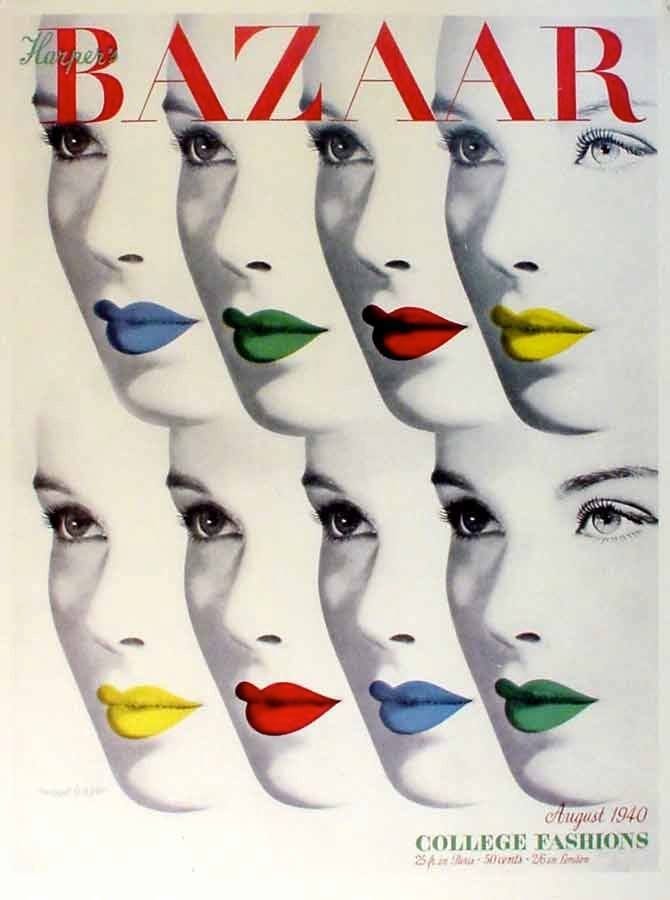
5. The Constant Fixer
They CANNOT STOP adjusting. The Constant Fixer treats their reflection like a collaborator who’s always slightly disappointed, exchanging the cold Miranda Priestley onceover with the look of an apathetic mother who has simply tried everything she can. Tugging at hems, retying belts; they live in a perpetual state of fine-tuning. Every photo is zoomed in, analyzed, rejected, then re-taken. They edit their own appearance the way sound engineers remove background noise: methodically, obsessivley, and endlessly.
In psychology, this is hyper-vigilance turned inward: self-regulation masquerading as aesthetic taste. The Constant Fixer isn’t trying to look perfect; they’re trying to avoid the discomfort of being seen imperfectly. Their guilty pleasure is when they get home and slipping off the shoes they don’t even like, untangle the bobby pins from their perfect pony and sink into a a room with all the lights turned off.
The tragedy is that they keep mistaking composure for control, not realizing that composure only happens when you surrender to it. The Constant Fixer believes they’re curating a flawless image, but all they’re really perfecting is exhaustion.

6. The Closet Historian
The Closet Historian doesn’t purge; they preserve. To them, clothes are memory objects: the dress from the summer they went to Paris, the blazer from that very first job, the jeans that fit a life they stopped living 15 years ago. Letting go isn’t hard because of the fabric, it’s the story stitched inside. Donation piles linger for months because each donation feels like a line erased from their diary.
Psychologically, this is known as attachment through preservation. They open drawers like photo albums, fingers tracing seams as if touching a timeline. The Historian clings to the past self for fear that without it, they’d have to redefine what beauty means now.
The tragedy is gentle: their loyalty is touching, but it’s misplaced.. The proof they’re searching for isn’t in the fabric, it’s in the fact that they still remember how it felt to wear it.
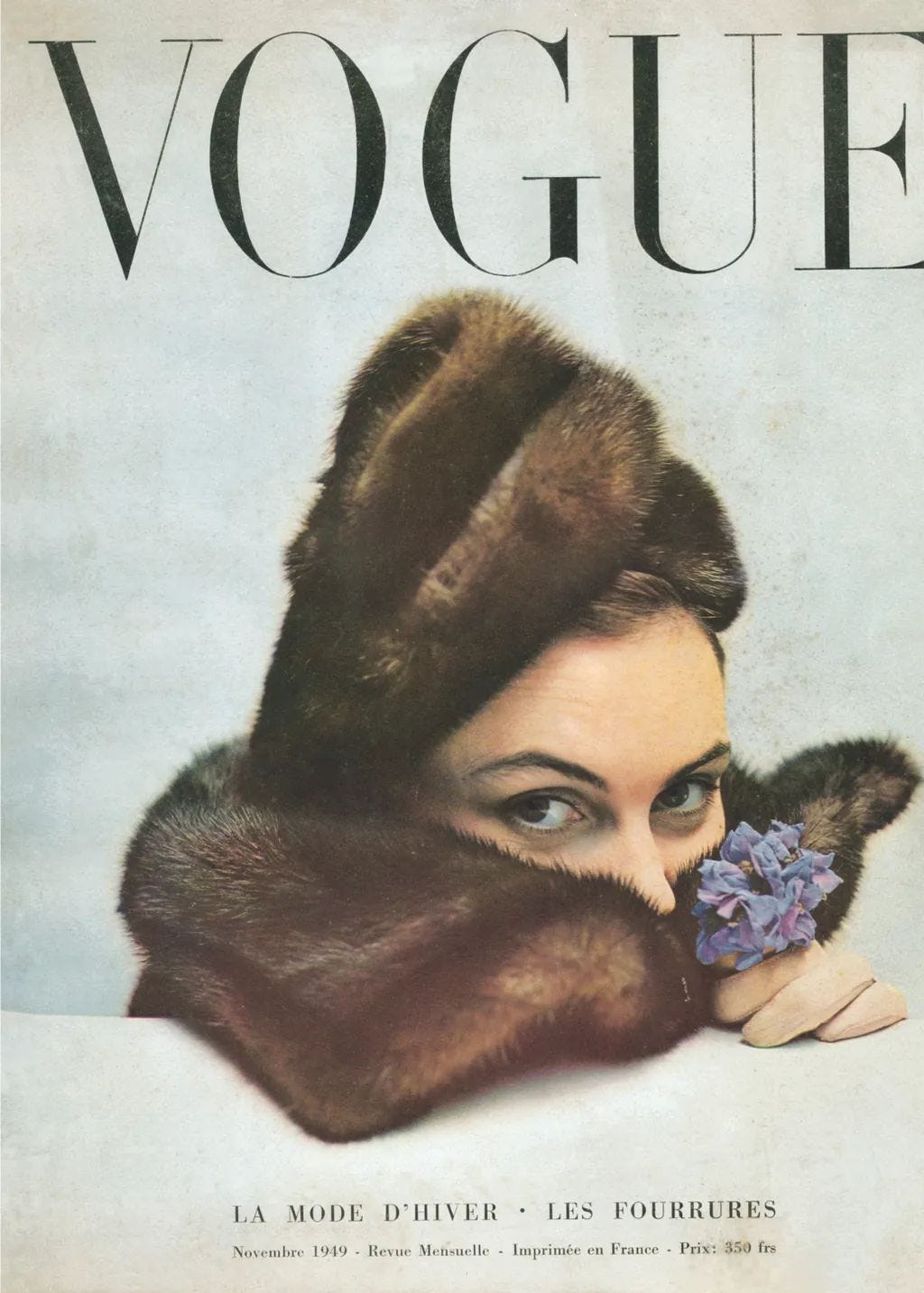
7. The Fashion Fugitive
They live in a near-constant state of aesthetic witness protection. The Fashion Fugitive moves through aesthetics like New York City apartments, new walls, same ghosts. Their style is a revolving door of eras and inspirations. They declare, “That’s not really me anymore,” every six months, as if selfhood were a seasonal trend. They don’t edit their closet, they abandon it and start over. Each purge feels cleansing until the next identity crisis sets in. Their guilty pleasure is the online checkout page, that hit of absolute transcendence right after the purchase confirms. For a few seconds, they’re not who they’ve been; they’re someone new, someone solved.
Psychologically, this is flight disguised as freedom. Reinvention feels like progress because movement looks so much like momentum. They’ve lost the thread of who they are, so they sew new identities from whatever fabric feels close enough. The Fashion Fugitive mistakes motion for evolution, mistaking the adrenaline of change for actual becoming. Each aesthetic promises a sense of coherence, however temporary.
Their tragedy is that they’re endlessly brave but never still. The search for “new me” becomes a self-erasing loop, a cycle of transformations that never quite take.The self they’re chasing won’t appear through another overhaul, it’s waiting for them under the weight of all their hangers, wondering when they’ll exhaust themselves from trying to find it.
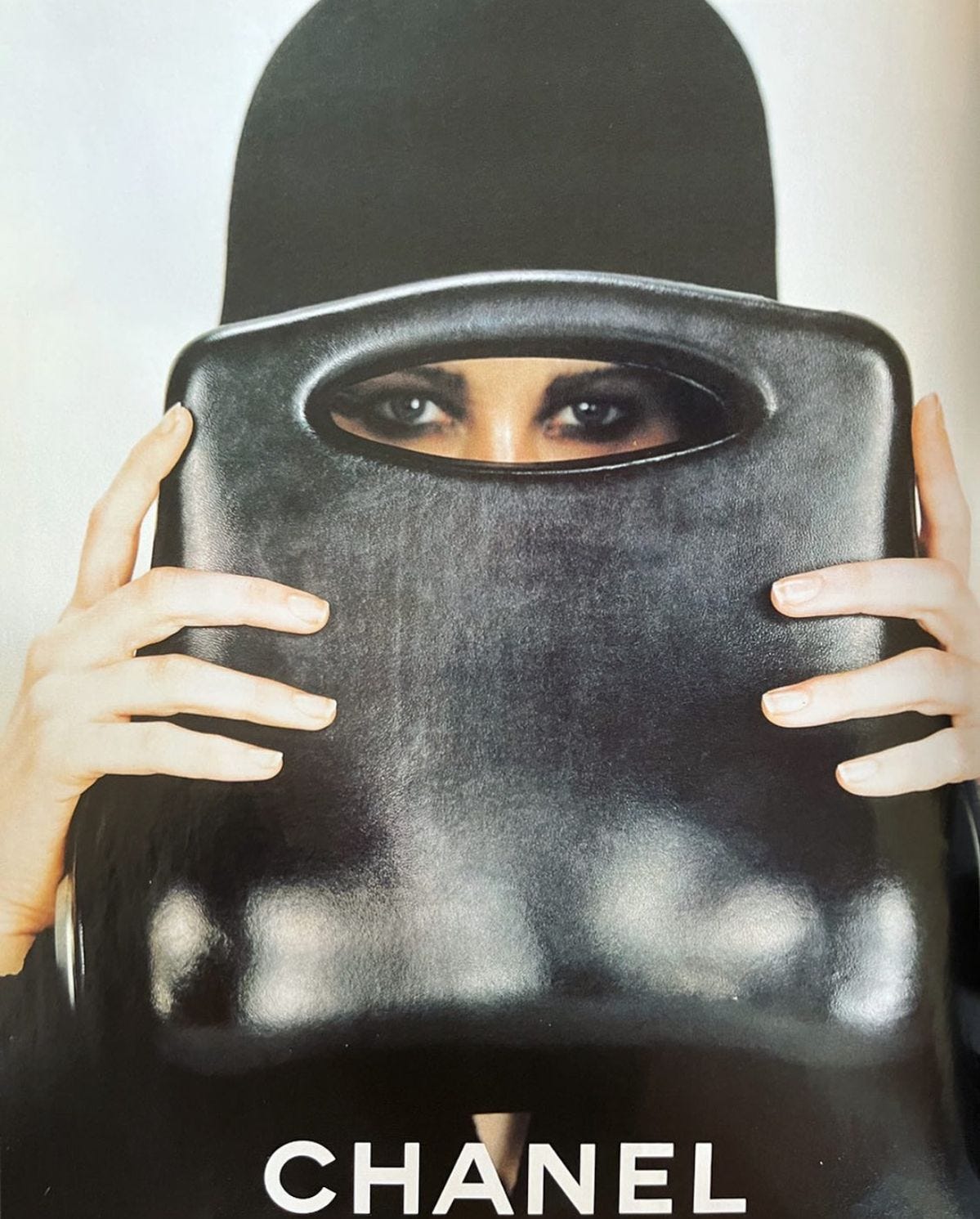
8. The Perfect Neutral
They’ve mastered the art of invisibility. The Perfect Neutral believes in the power of restraint. They call it minimalism, but it’s really emotional diplomacy: a wardrobe designed to offend no one and reveal nothing. Loud colors are “distracting.” Statement pieces feel “try-hard.” Every outfit is a peace treaty with perception: sophisticated enough to impress, quiet enough to disappear.
In psychology, this is the avoidance of exposure, the art of appearing effortless so no one thinks to look too closely. The Perfect Neutral isn’t cold; they’re careful. They’ve learned that visibility invites interpretation, and interpretation feels like risk. They tell themselves polish is power, but it’s really protection, the aesthetic equivalent of holding one’s breath.
Their guilty pleasure is secretly admiring the bold ones, the friend in sequins, the stranger in scarlet, wondering how it might feel to walk into a room already being looked at. They’ll leave one button undone at home, then fastening it again before going out.
The tragedy is that they’ve mistaken composure for confidence. They think their stillness protects them, but it only isolates them. And silence, however chic, eventually starves the self it was designed to protect.
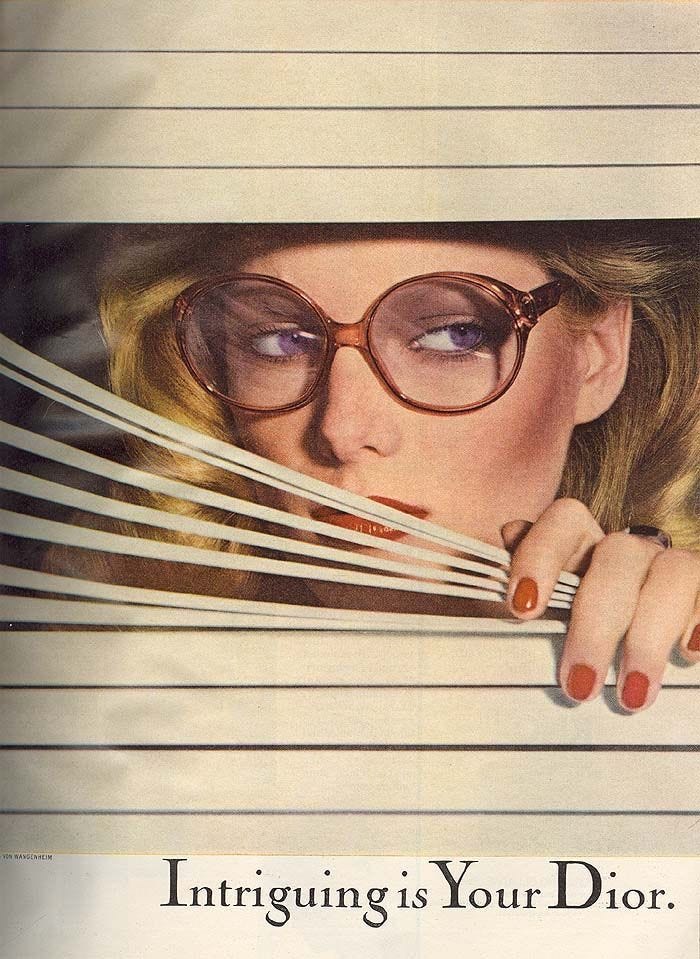
9. The Emotional Sweatsuit
The Emotional Sweatsuit lives in ritualized coziness. Their closet is a landscape of surrender: matching sets in oatmeal, “stone,” and “fog.” They own nicer clothes, of course, a pressed blazer for the rare presentation, a pair of heels they once swore they’d “get used to.” But they hang like museum artifacts, proof of an ambition that’s gone into early retirement.
They scroll through style videos and double-tap ambition: sharp tailoring, structured coats, the promise of a version of themselves who might stand taller. They tell themselves those clothes are for “later,” when life is less chaotic, but “later” seems so far away, especially when comfort is so close at hand.
In psychology, this is sensory self-soothing mistaken for self-expression. The Emotional Sweatsuit isn’t lazy, they’re overextended, overstimulated, and desperately in need of a digital detox.
The tragedy is that they’ve built a comfort so complete, it’s become a cage. The sweatshirt was meant to soften the day, not absorb it. And nothing, not even the softest fabric, can replace the feeling of nervous anticipation of trying something new for the first time.
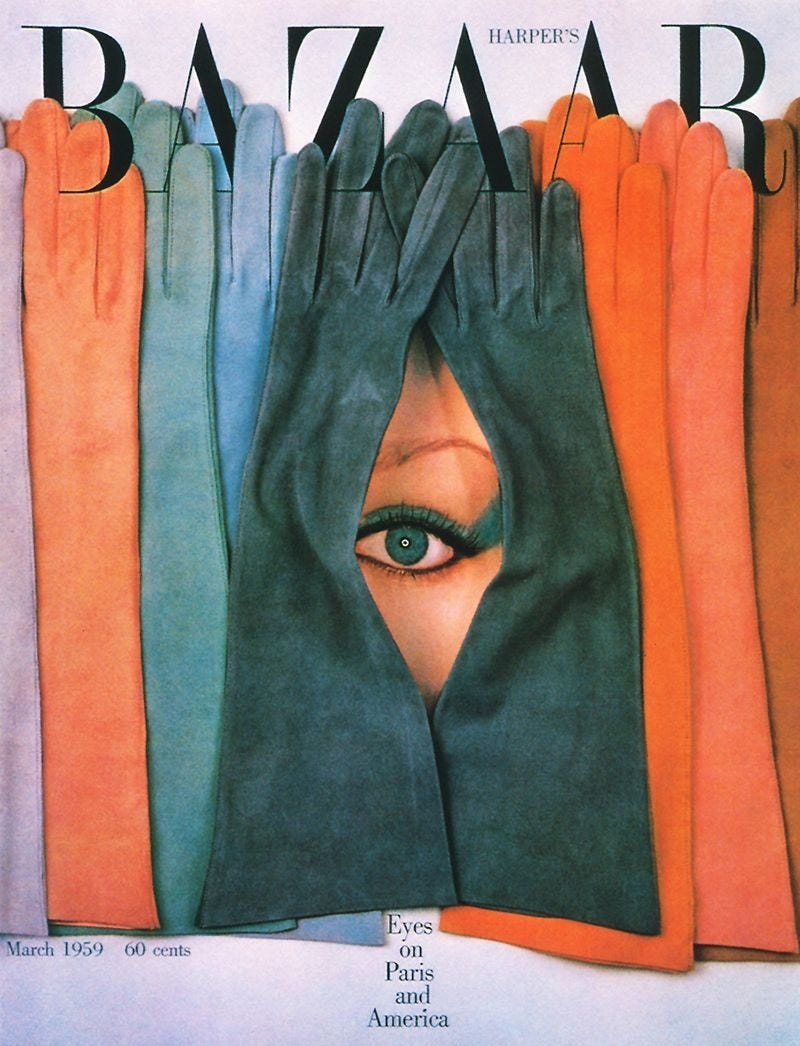
So, how do you feel? Recognize anyone?
Don’t panic, we all have a few hesitations living rent-free in our proverbial closets, but the good news (!!!) is that you’re your very own landlord, and you can evict anyone you want. :)
If after reading this, you’ve identified with one (or 3) of these personas and are starting to think that this this means you have ‘bad taste’, then pop the champagne, because having bad taste is the only pre-requisite necessary for good taste, as you have to know what you dont like to be certain of what you do.
Be free from the insidious thought that there is a right or a wrong,
and adorn yourself in whatever causes you delight! Rage against the algorithm that feeds on the sad desire to belong by making you look the same as everyone else. Adorn yourself in whatever palette, texture and chaos your spirit desires. Be lavish. Be peculiar. Be strange, unique, daunting and daring. Let your taste be a glorious betrayal of all expectations.
So go ahead, get it wrong! Risk being seen before you feel ready. Every outfit teaches your mind what you’re capable of. The prophecy only works in one direction: forward.
Dress for the person who isn’t finished yet, and watch how quickly they start appearing.
With great personal aesthetic,
Alexandra Diana, The A List